“First Advice”: An Alternative Path to Tackle Inflation: Egypt’s Top Three Banks Raise Interest Rates on Savings Certificates… Expected Short-Term Impacts
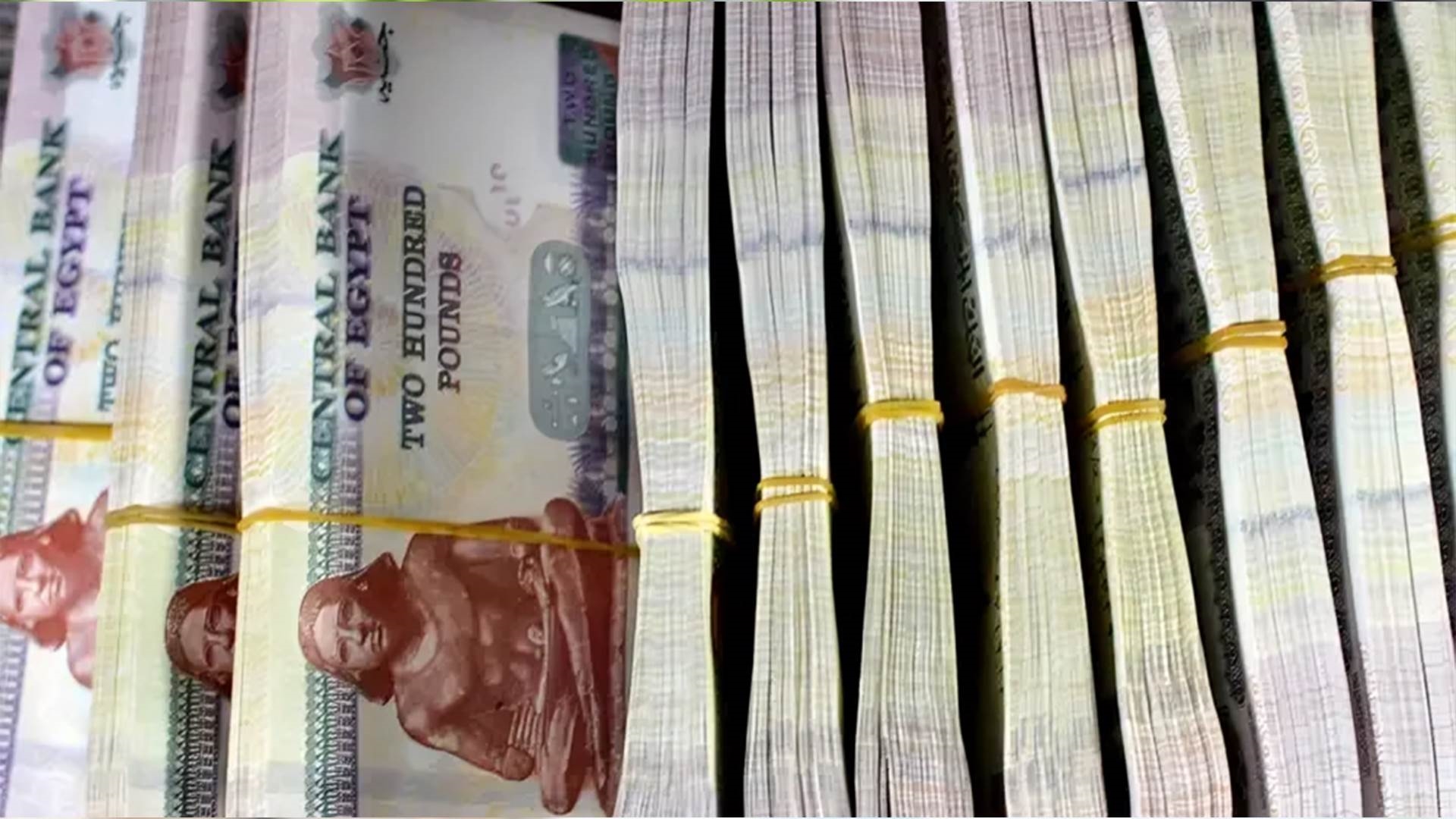
In a move reflecting intensifying competition for local liquidity and mounting inflationary pressures, major banks operating in the Egyptian banking sector have rushed to raise interest rates on three-year fixed-return savings certificates to their highest levels in nearly a year. This step aims to reprice savings in Egyptian pounds and enhance their attractiveness as a savings instrument compared to alternative options.
In this context, the three largest banks in the Egyptian banking sector have decided to increase returns on three-year fixed-rate certificates. Both the National Bank of Egypt and Banque Misr raised their rates by 1.25% to 17.25% annually, up from 16% previously, while the Commercial International Bank (CIB) increased its rate to 17.5%, topping the list of the highest returns currently available in the market.
These moves come in parallel with the Central Bank of Egypt’s shift toward a more cautious monetary policy, reflected in the suspension of the interest rate-cut cycle amid rising inflation risks and ongoing geopolitical uncertainties.
Raising returns on savings certificates signals an implicit direction by the banking sector to curb money supply growth by encouraging individuals to channel their savings into long-term instruments rather than consumption or alternative safe havens such as gold and the US dollar, which have seen increased demand in recent periods as hedges against declining purchasing power.
These developments gain further importance in light of recent monetary indicators, as money supply grew by 5.4% during the first two months of 2026, reaching approximately EGP 4 trillion by the end of February, compared to EGP 3.80 trillion at the end of 2025, according to the latest data from the Central Bank. Meanwhile, core annual inflation rose to 14% by the end of March 2026, up from 11.8% at the end of the previous year.
Within this framework, the actions of major banks can be interpreted as an indirect tool of monetary tightening without a formal increase in policy interest rates by the Central Bank—especially given that these banks, led by the National Bank of Egypt, Banque Misr, and the Commercial International Bank (CIB), control more than 62% of total banking sector deposits, granting them significant influence over savers’ behavior and overall market liquidity.
This decision is expected to be reflected in inflation readings over the coming months, particularly amid persistent upward pressures, as it may help curb further spikes in inflation and support a slowdown in money supply growth.