
Fed’s first hike in 3 years raises questions over CBE’s next move
Shimaa Nasser
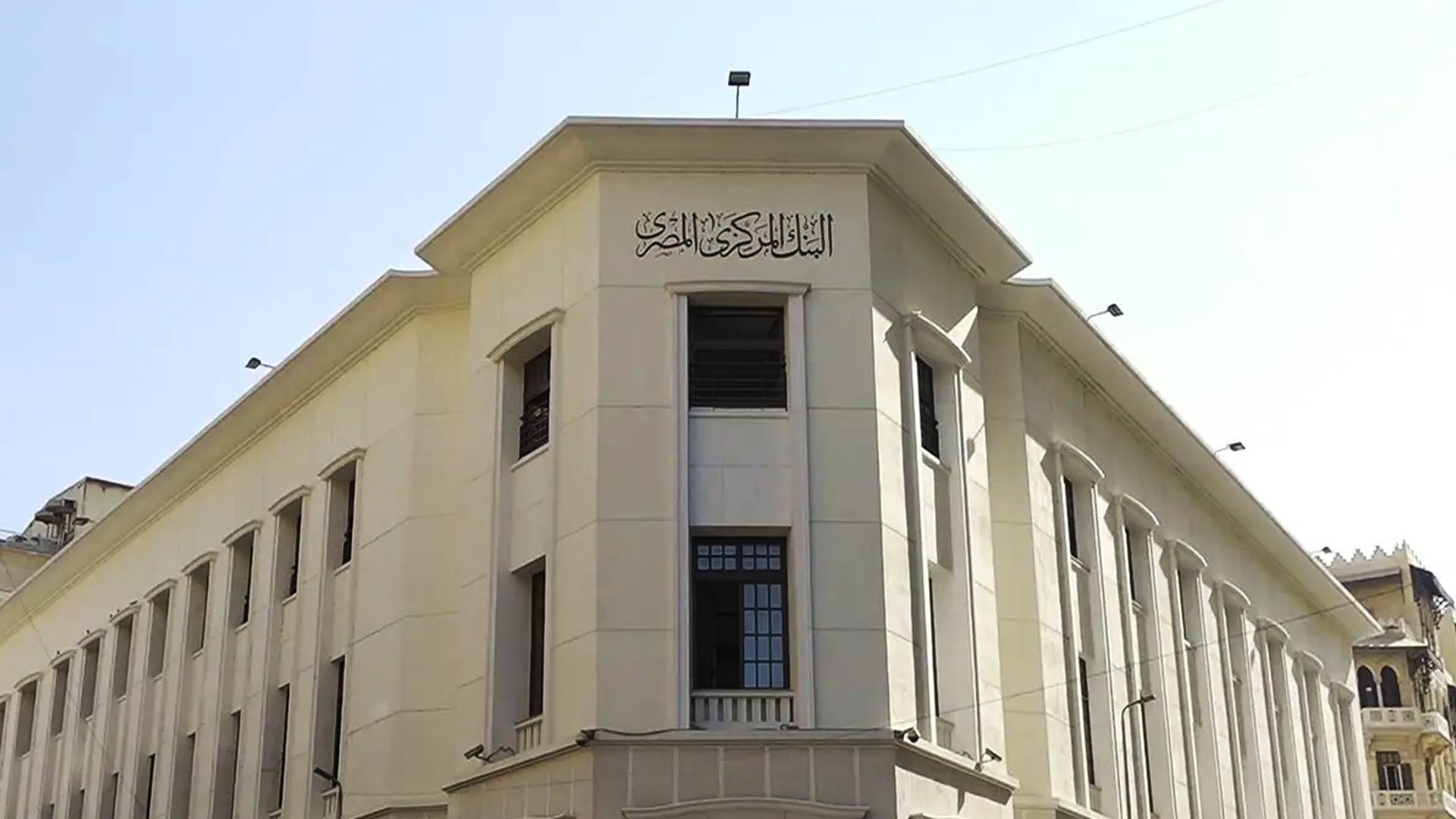
Translated & Edited by Aya Elsayed
The Central Bank of Egypt’s (CBE) Monetary Policy Committee (MPC) is set to meet on Thursday, 24 September 2026, to decide on interest rates, amid renewed debate over the influence of recent rate hikes by the US Federal Reserve and Gulf central banks on Egypt’s monetary policy.
The MPC bases its decisions on a broad range of domestic and external indicators, primarily inflation and its outlook, alongside exchange-rate developments, domestic liquidity, economic activity, capital flows and global financial conditions.
Recent decisions illustrate this approach. Despite regional and international developments, the CBE held interest rates unchanged at its July and August 2026 meetings, maintaining the overnight deposit rate at 19 per cent and the overnight lending rate at 20 per cent.
It reaffirmed its commitment to maintaining a restrictive monetary stance and an adequately positive real interest rate to support the disinflation process.
CBE’s interest-rate decisions in recent years point to a relatively independent monetary policy path compared with those followed by Western and Gulf central banks.
This distinction is particularly evident in the Gulf, where most central banks move closely in line with Federal Reserve decisions. The relationship is rooted in the region’s exchange-rate regimes, with Gulf currencies pegged to the US dollar to varying degrees.
These arrangements mean that Federal Reserve decisions directly affect the cost of maintaining currency attractiveness and exchange-rate stability, explaining the relatively swift response of Gulf central banks, although the extent of that response varies by country.
Egypt, by contrast, operates under a different monetary framework. The Egyptian pound is not fixed to the US dollar, giving the CBE greater flexibility to formulate monetary policy in response to domestic economic conditions, while continuing to account for US monetary policy and global capital movements.
This flexibility has been evident throughout Hassan Abdalla’s tenure, during which the CBE has not automatically followed the Federal Reserve’s interest-rate decisions. Instead, it has held or adjusted rates according to its assessment of Egypt’s monetary and economic conditions.
In Egypt, interest rates remain a key instrument for managing liquidity, containing inflationary pressures and supporting macroeconomic stability. Gulf central banks, meanwhile, face greater constraints on monetary policy independence because of their exchange-rate arrangements.
That does not mean Federal Reserve decisions are absent from Egypt’s monetary policy considerations. Higher US interest rates increase the attractiveness of dollar-denominated assets and affect external financing costs.
These factors form part of the CBE’s assessment, but within a broader monetary policy framework rather than as decisions that must automatically be replicated.
This distinction takes on particular significance ahead of Thursday’s meeting as the CBE assesses the latest inflation figures.
Annual urban headline inflation eased to 14.5 per cent in August 2026, from 14.9 per cent in July, while annual core inflation rose to 14.9 per cent from 14.7 per cent over the same period.
Although headline inflation remains on a downward trajectory, it continues to exceed the CBE’s target range, reinforcing the case for caution in monetary policy.
The CBE previously set an inflation target of 7 per cent, plus or minus two percentage points, for the second half of 2027. The extended target horizon is intended to allow the economy to absorb price shocks without requiring further monetary tightening, while the bank continues to deploy its policy instruments to bring inflation back towards its target.
The central question facing the MPC is therefore whether domestic economic indicators provide sufficient room for a new phase of monetary easing, or whether persistent inflationary and financial risks warrant keeping rates unchanged for longer, or even an unexpected increase.
Egypt’s narrow money supply (M1) stood at approximately EGP 4.49tn at end-July 2026, compared with EGP 4.49tn at end-June, recording a marginal monthly decline of 0.1 per cent, according to the latest available official data.
Money supply therefore remained broadly unchanged in July, while quasi-money increased by 2.2 per cent, pushing total domestic liquidity (M2) up 1.6 per cent during the month.
Taken together, the data and preceding analysis point to a potential hold at Thursday’s meeting, particularly as inflation remains relatively elevated against the CBE’s targets and recent money-supply developments suggest limited movement in narrow money.