ADIB-Egypt leads top five private-sector banks in loan-to-deposit ratio at end-June 2026
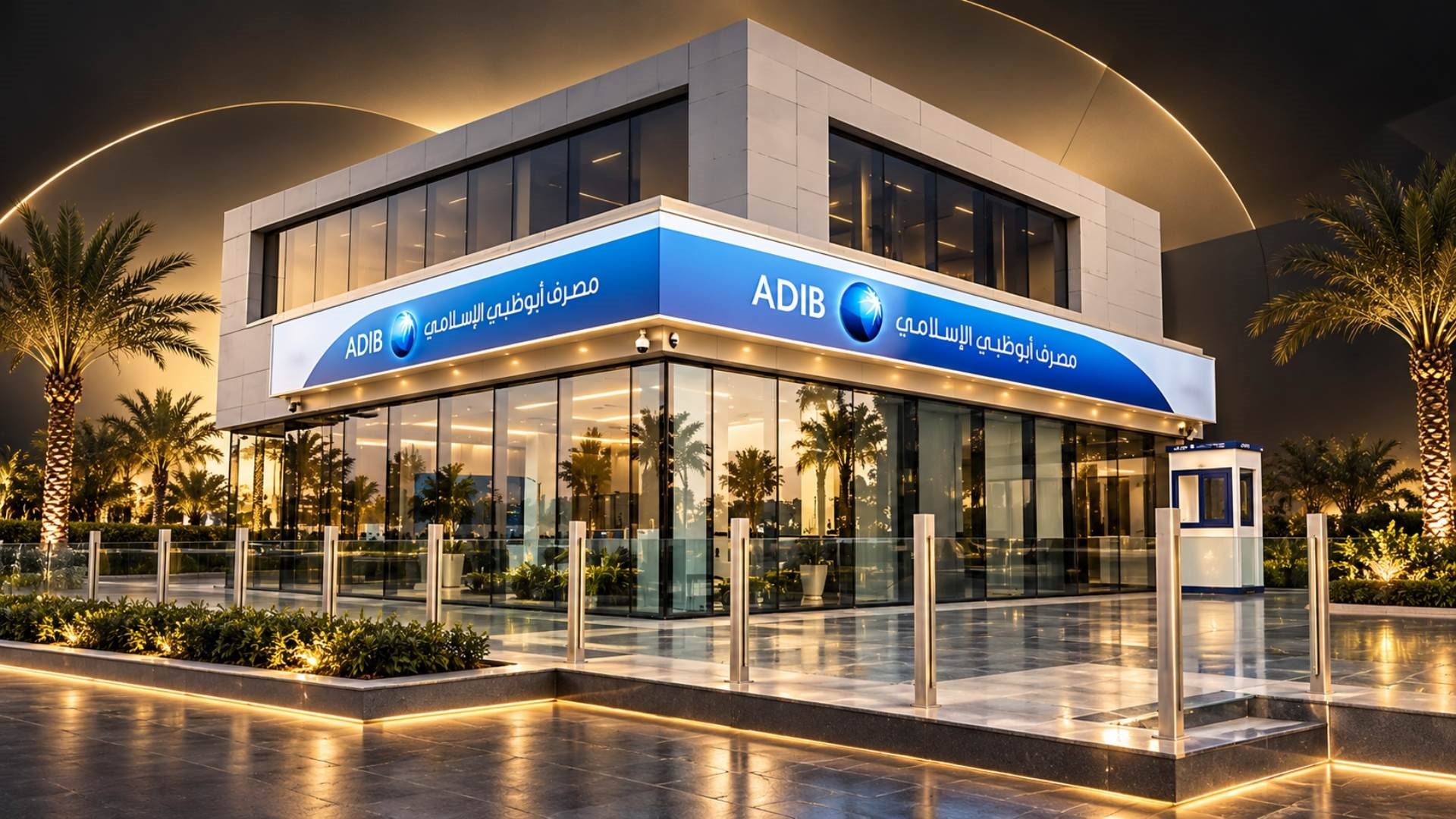
Abu Dhabi Islamic Bank – Egypt (ADIB-Egypt) emerged as the leader in deposit deployment among Egypt’s five largest private-sector banks, recording the highest loan-to-deposit ratio at end-June 2026.
The bank outperformed QNB Egypt, First Abu Dhabi Bank Misr (FABMISR), Commercial International Bank – Egypt (CIB) and Arab African International Bank (AAIB) at 59.59 per cent.
The distinction is particularly notable given that three of its competitors held substantially larger loan and deposit portfolios. ADIB-Egypt’s leadership was driven not by the absolute size of its loan portfolio but by the greater proportion of customer deposits deployed into loans.
ADIB-Egypt’s customer loan portfolio reached approximately EGP 198.23bn at end-June 2026, against customer deposits of EGP 332.67bn, securing the highest loan-to-deposit ratio among the five institutions.
QNB Egypt ranked second with a loan-to-deposit ratio of 57 per cent, supported by customer loans of approximately EGP 518.91bn and deposits of EGP 910.37bn at end-June 2026. Despite its considerably larger lending and deposit bases, QNB recorded a lower ratio than ADIB-Egypt.
FABMISR followed in third place with a ratio of 55.98 per cent. Its customer loan portfolio stood at approximately EGP 167.10bn, against deposits of EGP 298.50bn, placing it behind ADIB-Egypt and QNB Egypt in the proportion of deposits allocated to lending.
CIB ranked fourth with a loan-to-deposit ratio of 48.42 per cent, despite commanding the largest loan and deposit portfolios among the five banks, at EGP 631.34bn and EGP 1.30tn, respectively, at end-June 2026.
The contrast demonstrates that greater balance-sheet scale does not necessarily translate into a higher rate of deposit deployment.
AAIB placed fifth with a ratio of 38.85 per cent, having recorded customer loans of approximately EGP 287.50bn and deposits of EGP 739.98bn at end-June 2026.
It posted the lowest ratio within the group, despite holding larger loan and deposit portfolios than ADIB-Egypt.
The comparison places ADIB-Egypt’s performance in sharper perspective. Its lead over CIB, QNB Egypt and AAIB, despite their larger lending portfolios, highlights the different proportions of deposit funding allocated to credit activity across the five banks.
The disparity is substantial, with loan-to-deposit ratios ranging from 59.59 per cent at ADIB-Egypt to 38.85 per cent at AAIB, a gap of 20.74 percentage points. This reflects differing levels of lending relative to each institution’s customer deposit base.
Overall, ADIB-Egypt’s leadership illustrates a distinction between banking scale and deposit deployment.
While larger institutions dominate in absolute loan and deposit volumes, the ranking by loan-to-deposit ratio reveals a different competitive order, with ADIB-Egypt leading Egypt’s five largest private-sector banks at end-June 2026.