Race of Big Numbers: A Decided Battle for Leadership in Switzerland’s Banking Sector
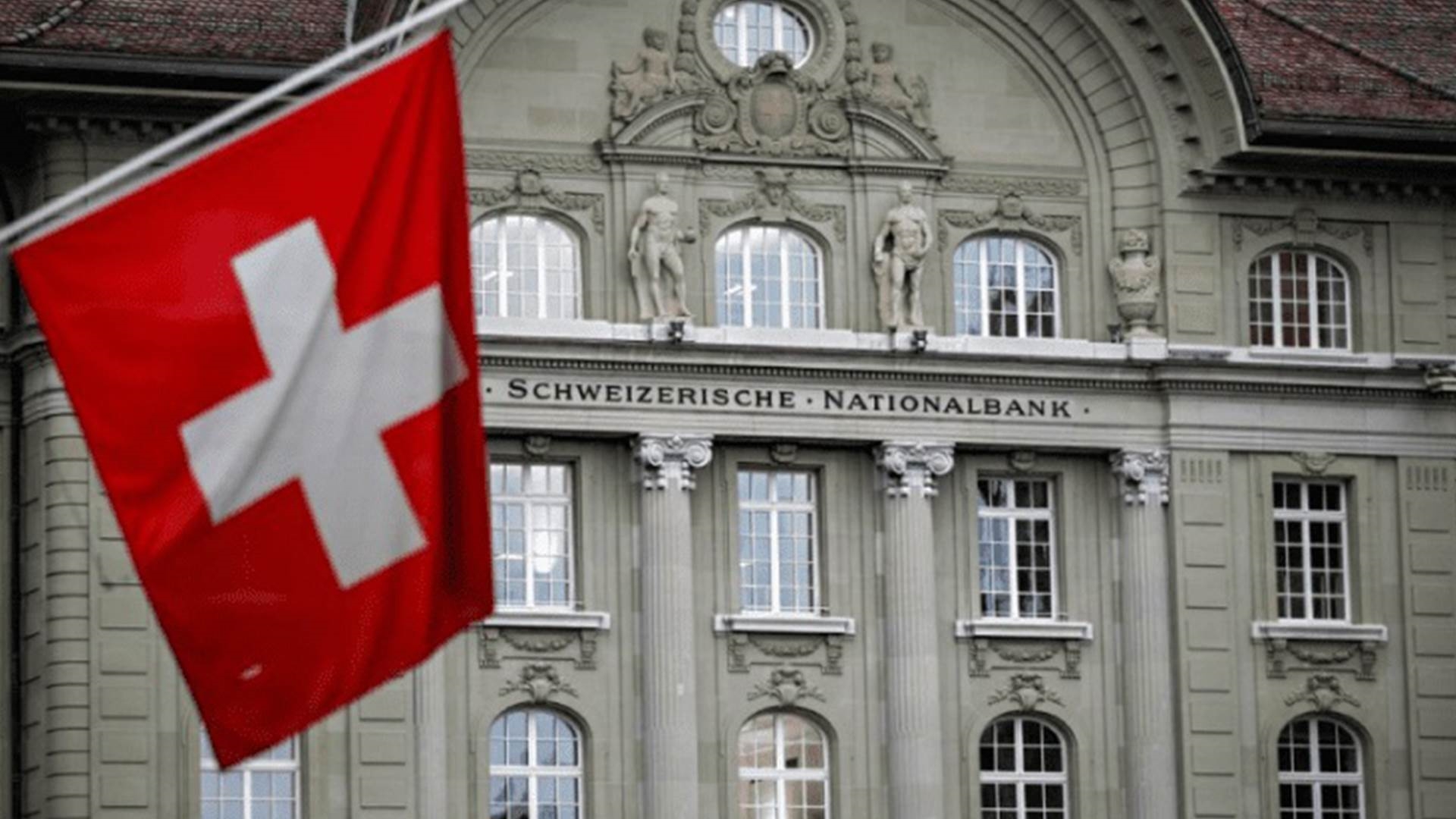
Switzerland’s banking sector is widely regarded as one of the most advanced and stable financial systems globally, built on a long-standing legacy of banking trust and regulatory discipline, alongside a strict supervisory environment that enhances banks’ resilience and ability to absorb financial shocks.
This institutional framework has reinforced Switzerland’s position as a leading global financial hub, supported by a strong domestic economy and a diversified range of financial services, particularly in wealth management, investment banking, and trade finance.
Within this context, UBS Group and Raiffeisen Gruppe stand out as two distinct models within the Swiss banking system. «UBS Group» represents one of the world’s largest banks with a strong focus on investment banking and wealth management, while «Raiffeisen Gruppe» reflects a cooperative banking model centered on retail and local corporate banking services.
According to 2025 data, «UBS Group» leads the Swiss banking sector in terms of total assets, followed by «Raiffeisen Gruppe» in second place.
«UBS Group» reported total assets of 1.62 USD tn by end-2025, compared to 407.45 USD bn for «Raiffeisen Gruppe» during the same period.
On the deposits side, «UBS Group» recorded 788.37 USD bn by end-2025, versus 284.82 USD bn for «Raiffeisen Gruppe» at the close of the same year.
In lending activity, net loans at «UBS Group» reached 653.85 USD bn by end-2025, compared to 307.53 USD bn for «Raiffeisen Gruppe».
Despite this clear size advantage in favor of «UBS Group», growth dynamics reveal a more complex picture. «Raiffeisen Gruppe» achieved significantly higher growth rates between end-2022 and end-2025, with total assets surging by 441.8%, compared to 46.5% growth for «UBS Group» over the same period.
However, this strong growth was not sufficient to materially narrow the size gap. On the contrary, the total asset gap widened to 1.21 USD tn by end-2025, up from 1.02 USD tn at end-2022, reflecting «UBS Group»’s continued expansion in absolute terms.
At the deposits level, «Raiffeisen Gruppe» posted exceptional growth of 2523.2% over three years, compared to 50.2% for «UBS Group». Nevertheless, this divergence had limited impact on the overall gap structure, which remained wide at 503.54 USD bn by end-2025, compared to 514.19 USD bn in 2022, indicating only a modest narrowing.
In terms of lending, «Raiffeisen Gruppe» also recorded remarkable growth of 3243.1% over the past three years, compared to 68.9% for «UBS Group», contributing to a slight reduction in the credit gap to 346.31 USD bn by end-2025, down from 378.02 USD bn in 2022.
On profitability, «UBS Group» maintains a clear lead in both scale and returns, reporting net profit of 7.80 USD bn in 2025, with a return on average assets (ROAA) of 0.49% and return on average equity (ROAE) of 8.86%.
In contrast, «Raiffeisen Gruppe» posted net profit of 1.37 USD bn, with ROAA at 0.37% and ROAE at 4.77%, highlighting «UBS Group»’s superiority not only in size but also in profit generation efficiency.
Overall, the financial indicators show that «UBS Group» dominates the Swiss banking landscape in terms of both size and profitability, while «Raiffeisen Gruppe» stands out for its strong growth dynamics. However, this growth remains insufficient to bridge the structural gap with one of the world’s largest banking institutions.