Between Strong Growth and Stability… How Did UAE Banks Move in the «First Bank» Ranking of the Largest Arab Banks?
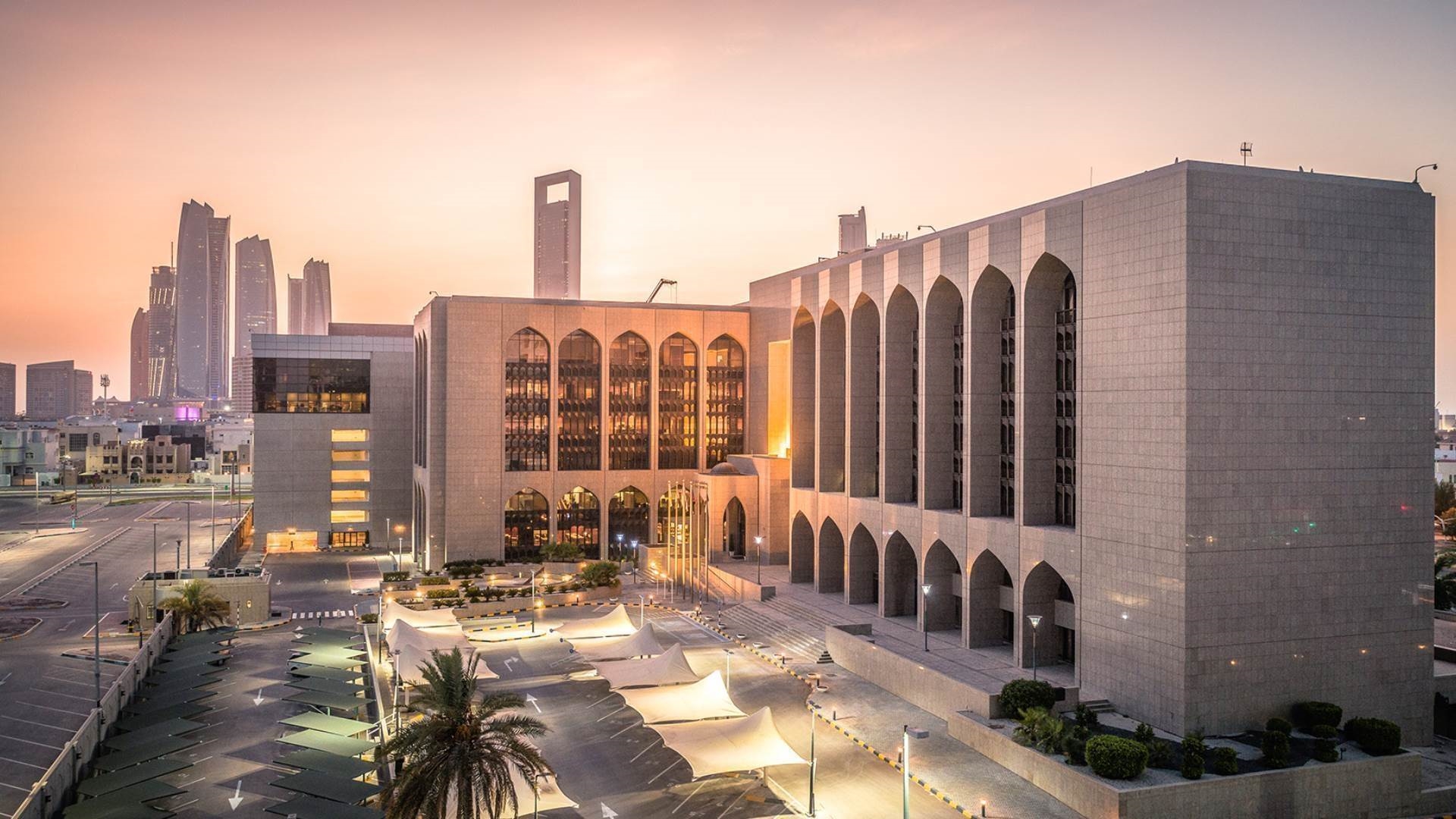
«First Bank» ranking of the largest 100 Arab banks by the end of 2025 revealed a state of relative stability in the performance of UAE banks within the ranking, with the Stability Index reaching nearly 71% compared with 2024 data.
The UAE banking sector secured 18 spots in the ranking by the end of 2025, compared with 17 spots at the end of 2024, reflecting the continued strong presence of UAE banks among the largest Arab banking institutions.
“First Bank” had previously launched the Stability Index to measure banks’ movements within the ranking based on four main categories. Banks that maintained their positions without change are classified under “Full Stability,” while banks that moved between one and three positions fall under the “Stable Movement” category.
Banks whose rankings changed between four and ten positions are classified under “Moderate Movement,” while banks that shifted by more than ten places are categorized under “Major Movements,” reflecting sharp changes in their standings within the ranking.
The index also divided Arab banks in the ranking into three main groups. The first group includes large banks with assets exceeding $50 billion, the second group includes mid-sized banks with assets ranging between $15 billion and $50 billion, while the third group includes emerging banks with assets below $15 billion.
The ranking revealed the presence of six UAE banks within the first group — banks with assets exceeding $50 billion — which appeared to be the most stable segment. Three of these banks maintained their positions without change compared with 2024 data, placing them within the “Full Stability” category: Emirates NBD in fourth place, Abu Dhabi Commercial Bank in sixth place, and Dubai Islamic Bank in 12th place.
Meanwhile, the other three banks recorded limited upward movements ranging between one and two positions, placing them within the “Stable Movement” category. First Abu Dhabi Bank climbed to the top of the ranking by the end of 2025, compared with second place at the end of 2024.
Mashreq Bank also advanced to 13th place by the end of 2025, compared with 15th place at the end of 2024, while Abu Dhabi Islamic Bank rose to 19th place instead of 20th place at the end of 2024.
As for the second group — banks with assets ranging between $15 billion and $50 billion — it included six UAE banks, where movements appeared more diverse compared with the first group. Four banks recorded movements ranging between one and three positions, placing them within the “Stable Movement” category.
Commercial Bank of Dubai climbed to 31st place by the end of 2025, compared with 32nd place at the end of 2024, while National Bank of Ras Al Khaimah advanced to 40th place compared with 43rd place at the end of 2024.
Sharjah Islamic Bank also rose to 43rd place by the end of 2025, compared with 46th place at the end of 2024, while National Bank of Fujairah advanced to 50th place at the end of last year instead of 52nd place.
In contrast, Emirates Islamic recorded a moderate movement of five positions after climbing to 32nd place by the end of 2025, compared with 37th place at the end of 2024, placing it within the “Moderate Movement” category.
Meanwhile, Wio Bank achieved the largest jump within the ranking after advancing 13 positions at once, supported by recording the highest asset growth rate among UAE banks in the ranking. Its assets increased by approximately 63.5% during 2025, allowing it to reach 59th place compared with 72nd place at the end of 2024.
At the level of the third group — banks with assets below $15 billion — which included five UAE banks, movements appeared more volatile despite Bank of Sharjah maintaining its position in 67th place without change, placing it within the “Full Stability” category.
Commercial International Bank UAE joined the “Stable Movement” category after advancing three positions to 83rd place by the end of 2025, compared with 86th place at the end of 2024.
Two banks fell under the “Moderate Movement” category, as Ajman Bank advanced eight positions to 76th place by the end of 2025, compared with 84th place at the end of 2024, while United Arab Bank climbed five positions to 80th place compared with 85th place at the end of 2024.
Meanwhile, National Bank of Umm Al Qaiwain joined the “Major Movements” category after advancing 12 positions at once to 81st place by the end of 2025, compared with 93rd place at the end of 2024.
As for The Investment Bank, it joined the ranking by the end of 2025 after occupying 99th place, while it had been outside the list of the largest 100 Arab banks at the end of 2024.
According to the data, the UAE banking sector continued strengthening its presence within the ranking of the largest 100 Arab banks amid a state of relative stability in rankings, especially among major banks. This reflects the strength of their capital bases and the continued balanced growth of UAE banks.
The recorded movements within the ranking also carried an entirely positive tone, as all UAE banks either maintained or improved their positions within the list, with no bank recording a decline in ranking compared with 2024 data.