QNB Egypt positions itself at the forefront of private-sector banks in personal lending
QNB Egypt successfully regained its position as the leading private-sector bank in personal lending by the end of March 2026, after an absence that lasted nearly five years since losing the top spot in 2020 and falling to second place, reflecting the bank’s strong performance and accelerating growth within one of the most competitive banking segments.
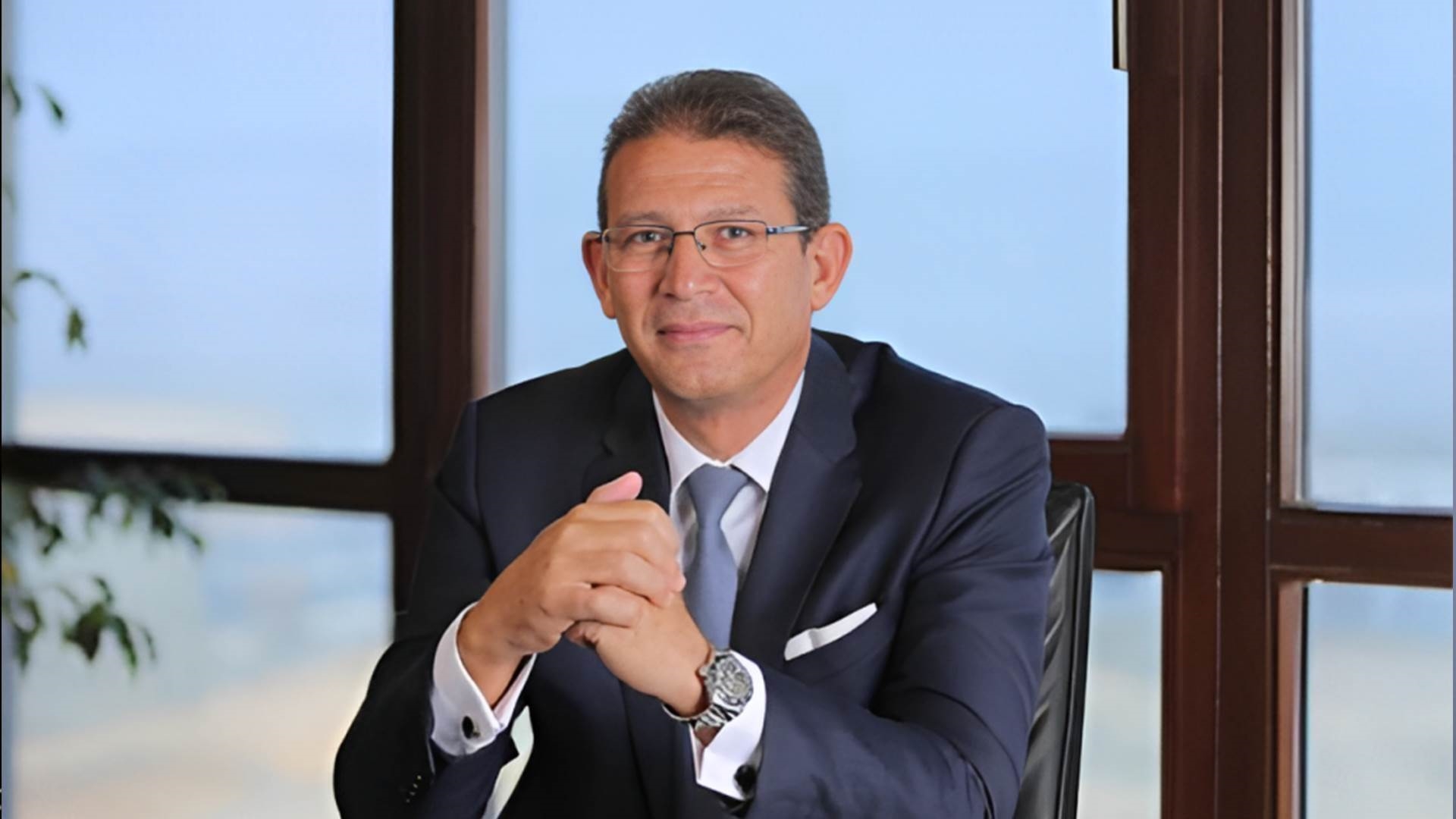
This shift comes supported by a clear expansion strategy led by Mohamed Bedeir and his executive team, as part of the bank’s ongoing efforts to strengthen its presence in the retail banking market and expand its ability to attract new customer segments.
Previously, First Bank published a report on April 15 highlighting the narrowing gap between CIB and QNB Egypt in personal lending, under the headline: “The gap between CIB and QNB Egypt in personal lending reaches its lowest level in 5 years.”
According to the standalone financial statements of both banks, QNB Egypt’s personal lending portfolio rose to EGP 68.07 billion by the end of March 2026, compared to EGP 62.14 billion at the end of 2025, recording a quarterly growth rate of 9.5%.
Meanwhile, CIB recorded a personal lending portfolio of approximately EGP 66.26 billion by the end of March 2026, compared to EGP 62.99 billion at the end of 2025, reflecting quarterly growth of 5.2%.
This competitive performance in personal lending by QNB Egypt comes as part of broader improvements across its key indicators during the first quarter of 2026, which was clearly reflected in the bank’s profitability and expansion of its operating positions.
The bank posted net profits of around EGP 8.86 billion during the first quarter of 2026, compared to EGP 6.95 billion during the same period of 2025, marking a growth rate of 27%.
Net interest income also increased by approximately 24% during the first three months of 2026, reaching EGP 13.68 billion, compared to EGP 11 billion during the corresponding period of 2025, while net fees and commissions income amounted to approximately EGP 1.63 billion.
On the balance sheet side, total assets grew by around 12% during the first quarter of the year, reaching EGP 1.03 trillion by the end of March 2026, compared to EGP 915.56 billion at the end of 2025.
Customer deposits also climbed by around 13% during the same period, reaching EGP 880.94 billion by the end of March 2026, compared to EGP 779.31 billion at the end of 2025, while customer loans increased by around 6% to EGP 465.92 billion, compared to EGP 440.65 billion at the end of 2025