Large Banks Show the Greatest Stability While Emerging Banks Reshuffle the Rankings.. How Did the Top 100 Arab Banks ranking change over two years?
First Bank

Data from First Bank Top 100 Arab Banks ranking revealed significant shifts between Arab banks during 2024 and 2025, highlighting the remarkable stability of the largest institutions alongside substantial movement among mid-sized and emerging banks.
The analysis classified banks into three main groups: The first comprises large banks with total assets exceeding US$50 billion, the second includes mid-sized banks with assets ranging between US$15 billion and US$50 billion, while the third consists of emerging banks with assets below US$15 billion.
Between 2024 and 2025, several Arab banks advanced to higher tiers within the ranking, reflecting strong growth in their asset bases.
Leading this upward movement were Commercial Bank of Qatar and Gulf International Bank, both of which graduated from the second tier to the first, joining the league of the region's largest banks.
Meanwhile, the second tier welcomed six new entrants promoted from the third group: Credit Immobilier et Hotelier (CIH) of Morocco, Bank al Etihad of Jordan, Local Development Bank of Algeria, National Bank of Bahrain, Wio Bank of the UAE, and Kuwait International Bank.
On the other hand, Bank Audi of Lebanon dropped from the second tier to the third, reflecting the ongoing challenges facing the Lebanese banking sector.
The analytical indicators revealed notable differences in stability across the three groups. The first tier emerged as the most resilient, recording a 91.67% stability rate, underscoring the difficulty of displacing the region's leading banking institutions.
The second tier ranked next with a 77.14% stability rate, while the third tier experienced the highest degree of volatility, with a full stability rate of only 6.1%, reflecting intense competition among banks in this segment.
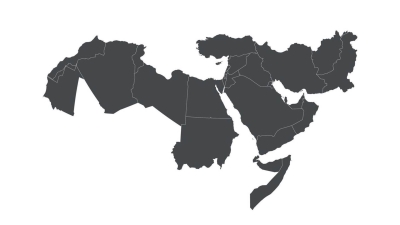
From a geographical perspective, Gulf banks continued to dominate the regional landscape, accounting for 58 banks in the ranking and recording the highest full stability rate at 24.1%, highlighting the strength of their financial positions and their ability to maintain their competitive standing.
In contrast, banks in North Africa and the Levant displayed greater movement in their rankings, posting comparatively low full stability rates of 10% and 7.1%, respectively, indicating a higher sensitivity to domestic economic conditions and geopolitical developments.