ADIB-Egypt posts softer Q2 growth, profitability remains strong
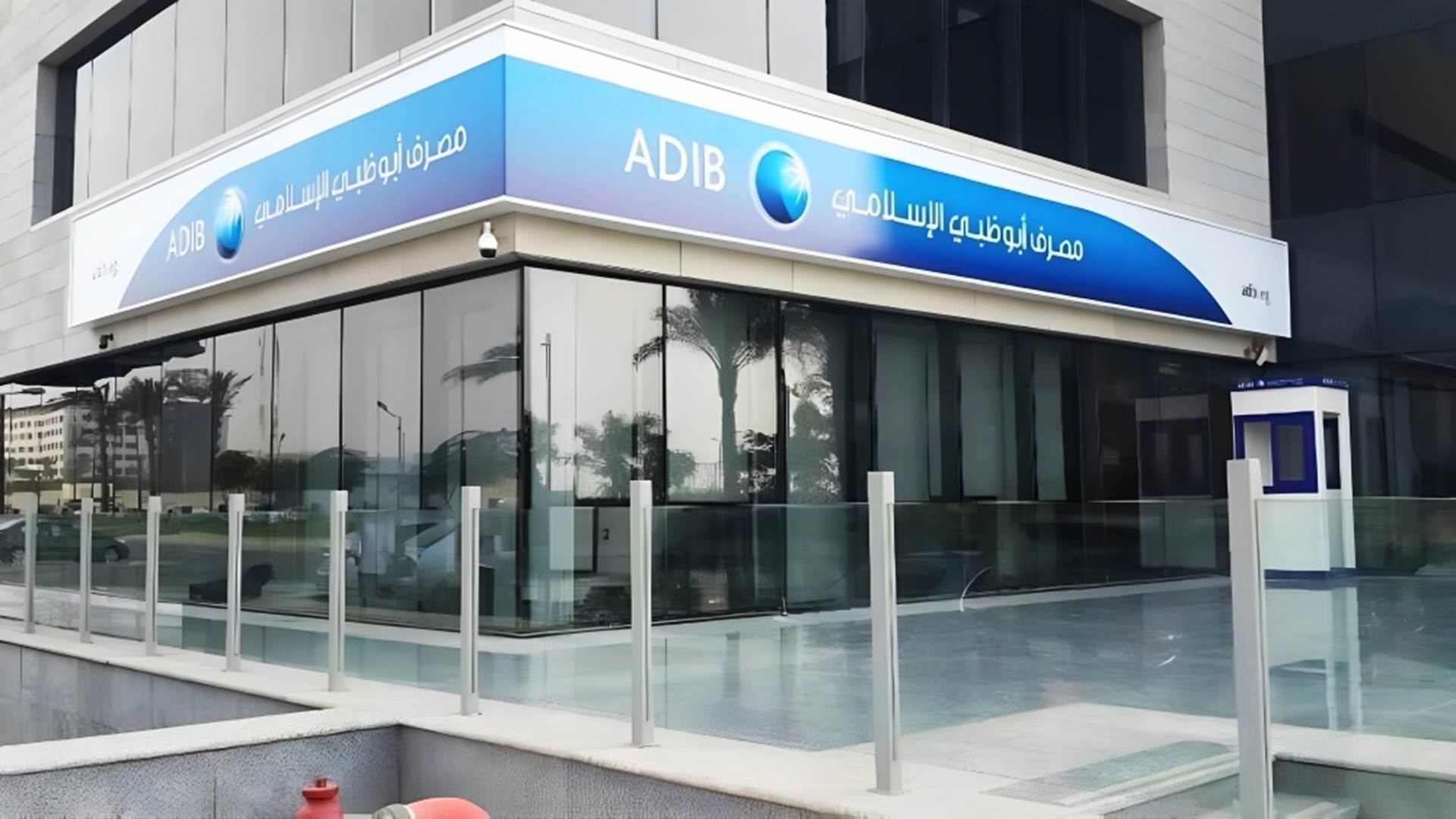
Abu Dhabi Islamic Bank – Egypt (ADIB Egypt) recorded a broad moderation in the growth of its key balance-sheet indicators between the first and second quarters of 2026, although the extent of the slowdown varied across individual components.
In the first quarter, from December 2025 to March 2026, growth rates ranged between 13.8 per cent and 15.5 per cent, reflecting broadly similar expansion across assets, deposits and financing. By the second quarter, growth had slowed across all three, signalling a more measured pace of expansion than at the start of the year.
Deposits recorded the sharpest deceleration, with growth slowing from 15.5 per cent in the first quarter to 3.5 per cent in the second, reaching EGP 332.09bn at end-June, compared with EGP 320.99bn at end-March.
The moderation was equally evident in absolute terms, with deposits increasing by around EGP 43.13bn in the first quarter, compared with just EGP 11.10bn in the second, pointing to a clear slowdown in the expansion of the bank’s funding base.
Total assets followed a similar pattern, albeit less pronounced. Asset growth eased from 13.8 per cent in the first quarter to 5 per cent in the second, with total assets rising from EGP 394.48bn at end-March to EGP 414.30bn at end-June.
The increase in assets also slowed, to around EGP 19.83bn in the second quarter from EGP 47.77bn in the first, showing that the balance sheet continued to expand, but at a more moderate pace.
Financing proved more resilient, with growth easing from 15.4 per cent in the first quarter to 10.9 per cent in the second, the smallest slowdown among the three indicators.
The financing portfolio rose to EGP 197.92bn at end-June, from EGP 178.44bn at end-March, adding around EGP 19.48bn during the second quarter, compared with EGP 23.77bn in the first. This reflects relatively firmer momentum in financing activity despite the broader moderation in balance-sheet growth.
The comparison therefore highlights a widening divergence across the bank’s main balance-sheet components. Deposits recorded the steepest slowdown, followed by assets, while financing remained comparatively resilient.
The contrast is particularly clear between deposits and financing. Their growth rates were nearly aligned in the first quarter before diverging sharply in the second in favour of financing, signalling a growing gap between the pace of funding accumulation and resource deployment.
That divergence was reflected in the financing-to-deposit ratio, which rose from around 55.6 per cent at end-March to 59.6 per cent at end-June 2026.
The increase came as financing expanded at a markedly faster pace than deposits during the second quarter, pointing to a higher level of deployment of the bank’s funding base into financing activity.
Profitability, however, followed a different trajectory as net profit increased from EGP 3.03bn in the first quarter of 2025 to EGP 3.66bn in the first quarter of 2026, representing year-on-year growth of 20.7 per cent.
Second-quarter profit reached EGP 3.89bn, compared with EGP 3.20bn in the second quarter of 2025, translating into annual growth of 21.6 per cent. Profit therefore maintained strong year-on-year momentum across both quarters, with growth accelerating slightly in the second despite the moderation in assets, deposits and financing.
The first half of 2026 marked a clear shift in the pace of ADIB-Egypt’s expansion. Balance-sheet growth moderated in the second quarter, driven mainly by a sharp slowdown in deposits, while financing remained relatively resilient and the financing-to-deposit ratio continued to rise.
Profitability, however, remained firmly on an upward path, leaving the second quarter characterised by slower balance-sheet expansion but sustained momentum in both activity and earnings.