
The Gulf leads Arab financing.. Gulf banks dominate 85% of the Top 100 Arab lending banks list
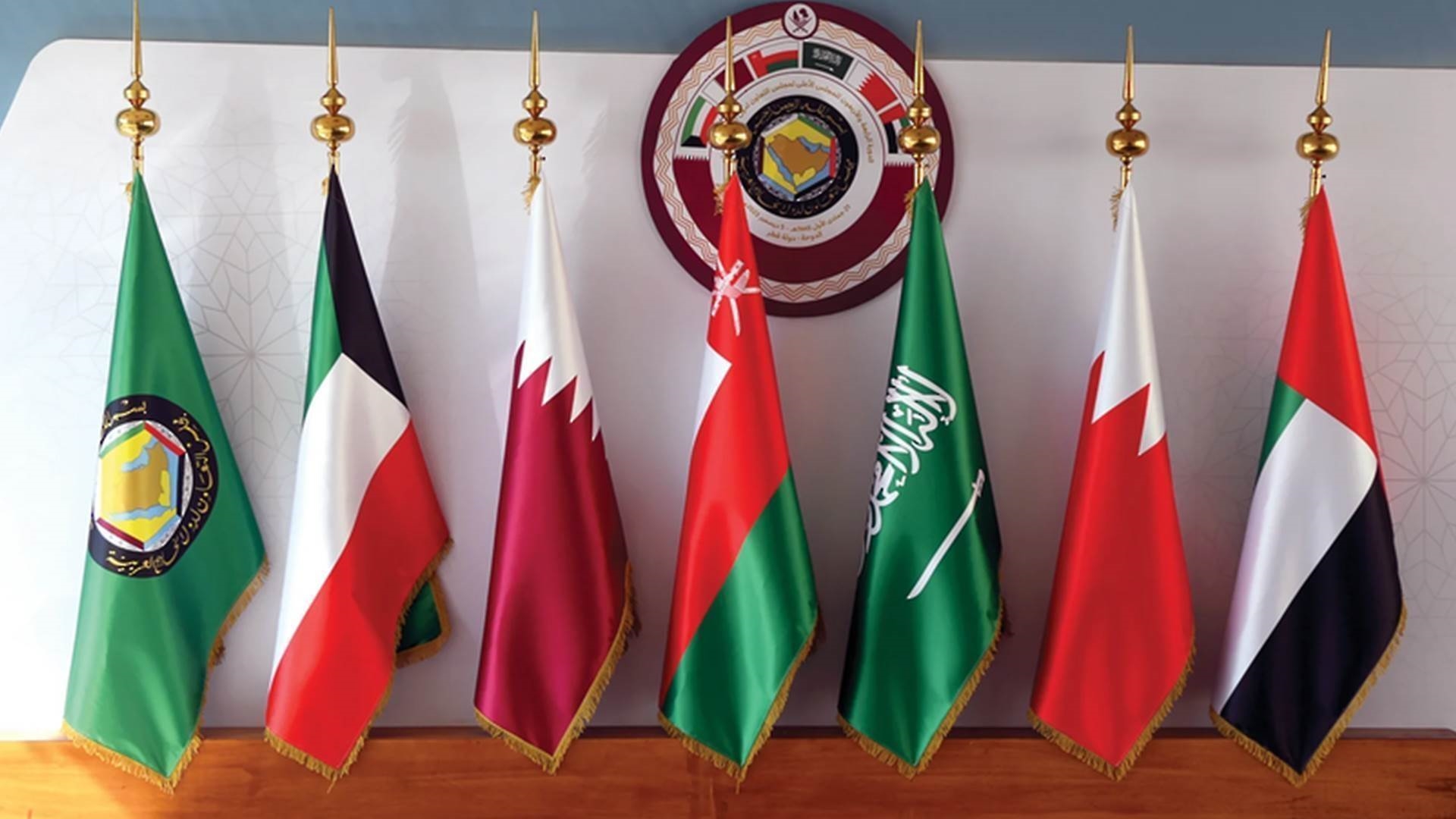
The results of the «First Bank» list of the top 100 Arab banks by loan volume as of the end of March 2026 showed a continued concentration of Arab credit activity within a limited number of markets, led by the Gulf countries, which have reinforced their dominance over financing.
A total of 61 Gulf banking institutions accounted for around 85% of the total loans in the list, benefiting from their large balance sheets and broad customer bases. Their combined loan portfolio rose to approximately $2.54 trillion by the end of March 2026, compared to $2.46 trillion at the end of 2025, recording a quarterly growth rate of 3%.
Saudi banks ranked first in terms of loan volume, with a total of $849.70 billion through the participation of 10 banks, namely: Al Rajhi Bank, Saudi National Bank, Riyad Bank, SAB, Alinma Bank, Banque Saudi Fransi, Arab National Bank, Bank Albilad, Saudi Investment Bank, and Bank AlJazira.
The UAE ranked second with total loans amounting to $792.14 billion across 18 banks, reflecting the superiority of Saudi banks in terms of average loan portfolio per bank, despite the number of participating UAE banks being nearly double that of Saudi Arabia.
The UAE banks included in the ranking were: Emirates NBD, First Abu Dhabi Bank (FAB), ADCB, Dubai Islamic Bank, Mashreq Bank, ADIB, Commercial Bank of Dubai, Emirates Islamic, National Bank of Ras Al Khaimah, Sharjah Islamic Bank, National Bank of Fujairah, Bank of Sharjah, Ajman Bank, United Arab Bank, Commercial International Bank – UAE, Umm Al Qaiwain National Bank, Invest Bank, and Al Hilal Bank.
Qatar ranked third with a total loan portfolio of $449.81 billion across 8 banks: Qatar National Bank, Qatar Islamic Bank, Masraf Al Rayan, Commercial Bank of Qatar, Dukhan Bank, Doha Bank, Qatar International Islamic Bank, and Ahli Bank.
The Kuwaiti banking sector followed with a loan portfolio of $271.39 billion through 9 banks: National Bank of Kuwait, Kuwait Finance House, Boubyan Bank, Gulf Bank, Burgan Bank, Al Ahli Bank of Kuwait, Warba Bank, Kuwait International Bank, and Commercial Bank of Kuwait.
Despite both Oman and Bahrain contributing 8 banks each to the ranking, their credit weight remained relatively limited compared to other Gulf markets. The total loan portfolio of Omani banks reached around $87.03 billion, compared to $85.44 billion for Bahraini banks by the end of March 2026.
This disparity reflects that the concentration of credit activity is not only evident at the level of Arab banks overall but also within the Gulf region itself. Major markets such as Saudi Arabia, the UAE, and Qatar capture the largest share of financing, while the contribution of other Gulf markets remains more limited in size.